December 10-11, 2026
Webinar


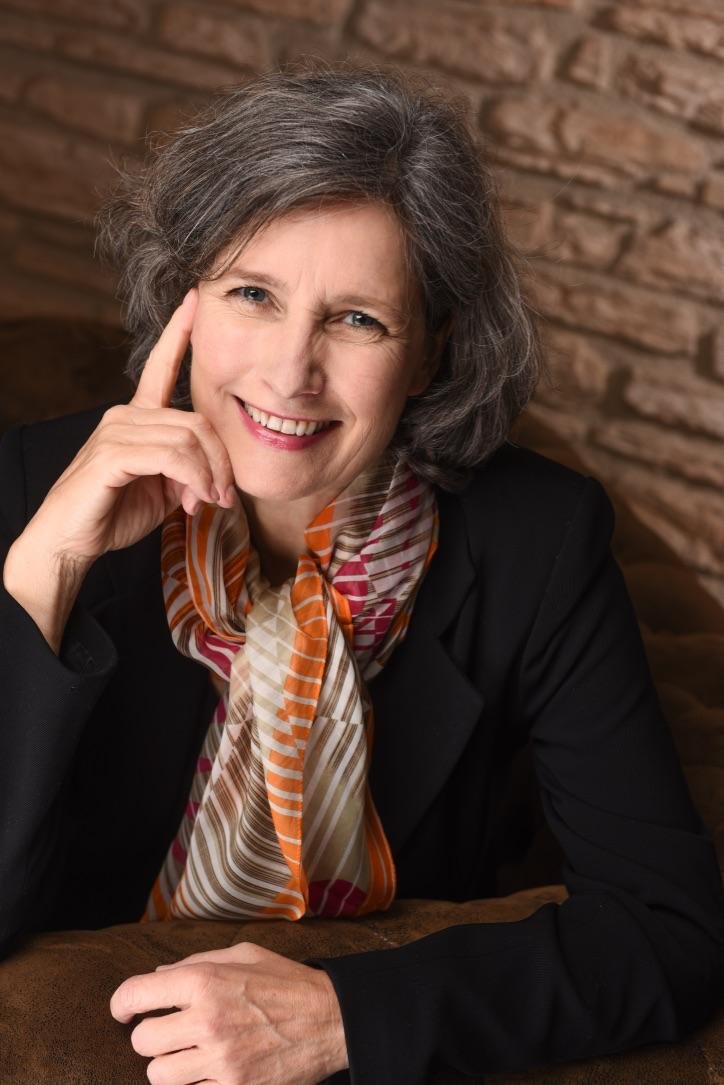
Christina Winkler
France
Talk : Unitarian Qi: A Unifying Concept Formalised Through a Medical Qigong Practice Transmitted by Master Sun (Beijing)
Abstract
In Traditional Chinese Medicine, Qi is described through many categories: original, nutritive, defensive, organ Qi and others. This plurality is clinically useful, but it can hide the underlying unity that the classical texts affirm. This presentation offers the concept of unitarian Qi, which I formalised through more than twenty years of clinical practice and through the medical qigong method transmitted to me by Master Sun in Beijing. Unitarian Qi understands the different manifestations of Qi as expressions of one continuous process, rather than as separate substances or energies. It is not intended as a new theory of Qi. It puts into words a coherence that is encountered directly in practice, between body, breath, intention and relational field. I will present the origin and transmission of the method, the main principles of unitarian Qi, and the practical guidelines that follow from it for the practitioner. I will then discuss how this approach fits into an integrative clinical practice. The aim is to open a dialogue between the experiential knowledge of the qigong tradition and current scientific and integrative approaches, and to suggest ways in which the concept could be researched in the future.
Biography
Christina Winkler is a Gestalt therapist, trauma therapist and practitioner of Chinese medicine, with more than twenty years of clinical experience in Nice, France. She works in French, German and English, in person and online, with international and multilingual clients. She is also a multireferential supervisor, an author and co-author of scientific articles, a translator and an artist. Her integrative practice brings together Gestalt therapy, Traditional Chinese Medicine, Focusing, psychophany and medical Qigong. She learned the medical Qigong method from Master Sun in Beijing. Her work on the concept of unitarian Qi grows out of this transmission and its clinical application. She serves on the board of the European Association for Psychotherapy (EAP) and is co-founder of the European Room for Listening (ERL), a space of support for colleagues in conflict-affected regions.